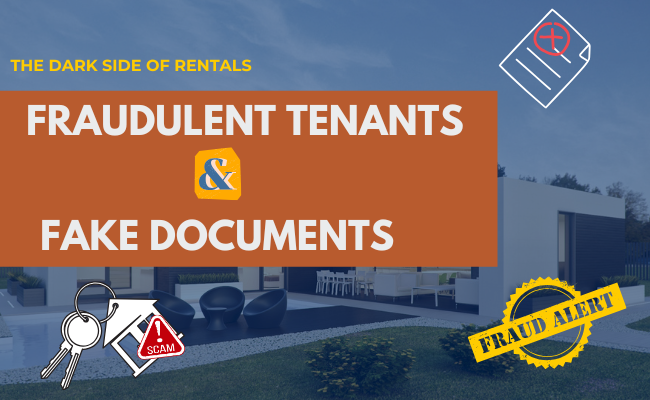
Dark Side Rentals: Fraudulent Tenants Fake Documents
Dark side Rentals Fraudulent Tenants Fake Documents: The idea of renting out property is a great option for landlords in terms of reliable income; nonetheless, it does carry certain risks. Among the most common issues in the rental market today are the fraud cases wherein falsified documents are used to guarantee a lease. The trend of tenant fraud has resulted in major issues for landlords, property managers, and even honest tenants due to the increasing cases of falsified income statements and fake IDs. That’s why tenant background checks are important to avoid fraud cases.
This article will discuss the process of how rental scams occur, what will go wrong if you do not do due diligence, and why you need to verify tenants to safeguard your property and financial well-being.
Understanding Fraudulent Tenants & Fake Documents
Fraudulent tenants are those who give incorrect or misleading information during the process to rent. They are also aimed at scamming landlords into approving them for a lease they are not supposed to receive. Common tactics include:
- Forging job or income reports.
- False or forged identification.
- Giving fake rental history or references.
- Hiding a criminal record, bankruptcies, or evictions.
The emergence of online rental applications and tenant identity has enabled individuals to produce verified documents, and this has simplified the process by which landlords can detect fraudulent tenants.
GoodTenent’s Defaulter Database helps landlords identify fraudulent or high-risk tenants by providing verified records of past rental defaults, payment delays, and eviction histories.
The Risks of Tenant Fraud for Landlords
Landlords may face serious consequences for ignoring the risk of tenant fraud. The largest threats are
Loss of finances—Fraudulent tenants usually do not regularly pay rent and leave landlords to accumulate arrears.
Damage to the Property—Bad tenants tend to neglect or damage property and create higher maintenance expenses.
Lawsuits—It is time-consuming and expensive to evict fraudulent tenants.
Damage to Reputation—Once a landlord develops a reputation for poor tenant screening, then other would-be tenants would also seek to exploit the situation.
These dangers demonstrate why rental fraud is not only a small inconvenience but also a huge financial and legal risk.
Read Case Study: How an Unverified Tenant Used a Rented Factory to Execute a Major Loan Fraud in Jaipur
Common Types of Rental Scams
Rental fraud is not only committed against the proprietors but also against innocent tenants. The scams most prevalent are
False tenants: Fake tenants file forged documents to pass background checks.
Subletting without authorization: Subletting property at increased rent is against the law.
False landlords: Fraudsters pose on the Internet as landlords and receive deposits from several tenants.
Identity theft: Identity theft is carried out by criminals who rent properties using the stolen identities.
These tactics can be identified, and by doing so, the landlords will be in a position to be observant and prevent the fraudulent acts of the tenants and the resulting expensive repercussions.
Red flags of Fraudulent Tenants.
Landlords should be aware of the following red flags of fraudulent tenants when going through rental applications:
- Lack of consistency or discrepancy of information on documents.
- Unwillingness to give references that can be proven.
- A hurried application or paying in advance without seeing the house.
- Income statements that are not aligned with the work or living style of the applicant.
- False e-mail addresses or phone numbers that cannot be verified.
- Early identification of these red flags will help landlords avoid falling victim to rental scams.
Why is verification of the tenants important?
Tenant fraud can best be avoided by undertaking proper tenant verification. Confirmation will make sure that all the information uploaded by a potential tenant is correct and reliable. Key steps include:
Checking Identity—Compare government-issued ID with government records.
Employment Checking—Check with the employers themselves and verify salary rates.
Credit History Check—Check the history of payments, bankruptcies, and debts.
Rental History Checking—Have past landlords make direct phone calls.
Criminal Background Check—Be sure you do not have any past criminal background checks that may risk your property or community.
By spending on quality tenant verification services, owners can mitigate a big portion of fraudulent tenants, and rent fraud has developed in modern property management.
Some of this — like identity checks and reference calls — you can start yourself. See our guide on DIY Tenant Background Checks in India to see what's realistic to handle on your own, and where the fraud risk in this article actually starts to slip through free methods.
Technology and Digital Tenant Screening
The digital tenant screening applications have enabled landlords to authenticate documents in a short time and detect forgery. It helps landlords to find verified tenants. The state-of-the-art screening platforms employ:
- AI-based identity checks.
- Real-time check of the income through banking APIs.
- Anti-fraud programs to identify manipulated PDFs or forged IDs.
- Such solutions help evade fraudulent tenants and assure landlords of ease when selecting their tenants.
Legal Steps Against Tenant Fraud
Legal action might be required in the event that a landlord finds out that a tenant utilized forged documents or committed fraud. Possible steps include:
- Sending tenancy notices on breach of contract.
- Reporting to the police in case of forgery of documents.
- Claiming damages in a civil action.
- To avoid scams in the future, consider blacklisting tenants in rental databases.
- Landlords should always seek the advice of a legal professional to address a tenant fraud case appropriately and prevent procedural errors.
Protect your property and rights — consult GoodTenent’s Legal Cell for expert assistance in handling tenant fraud cases swiftly and lawfully.
Best Practices to be a Landlord.
To protect against fraudulent tenants, the best practices that landlords should embrace include:
One should always carry out proper tenant screening prior to signing a lease.
Retain a copy of all documents sent.
The services of reputable online screening are to be used.
Act on your instincts—when something does not seem right, find out more.
Do not ignore background checks just because the tenant looks trustworthy.
Landlord should use the best tenant scorecard app that includes all tenant information, tenant verification, and credit and background checks for the landlord.
It will always be less expensive and less stressful to prevent the rental scams than to resolve them post-factum.
Conclusion
The rental business has tremendous opportunities, yet it also appeals to people who practice deception and fraud. False tenants and forged documents may cause losses and suffering in terms of money and time to landlords. Through their vigilance, identification of red flags, a nd by engaging in trusted practices in verifying their tenants, landlords can protect themselves against tenant fraud and rental scams.
Awareness and action are the start to protecting your property. Investing time in proper screening will bring peace of mind and guaranteed revenue to landlords today that will bring peace of mind and predictable earnings tomorrow.